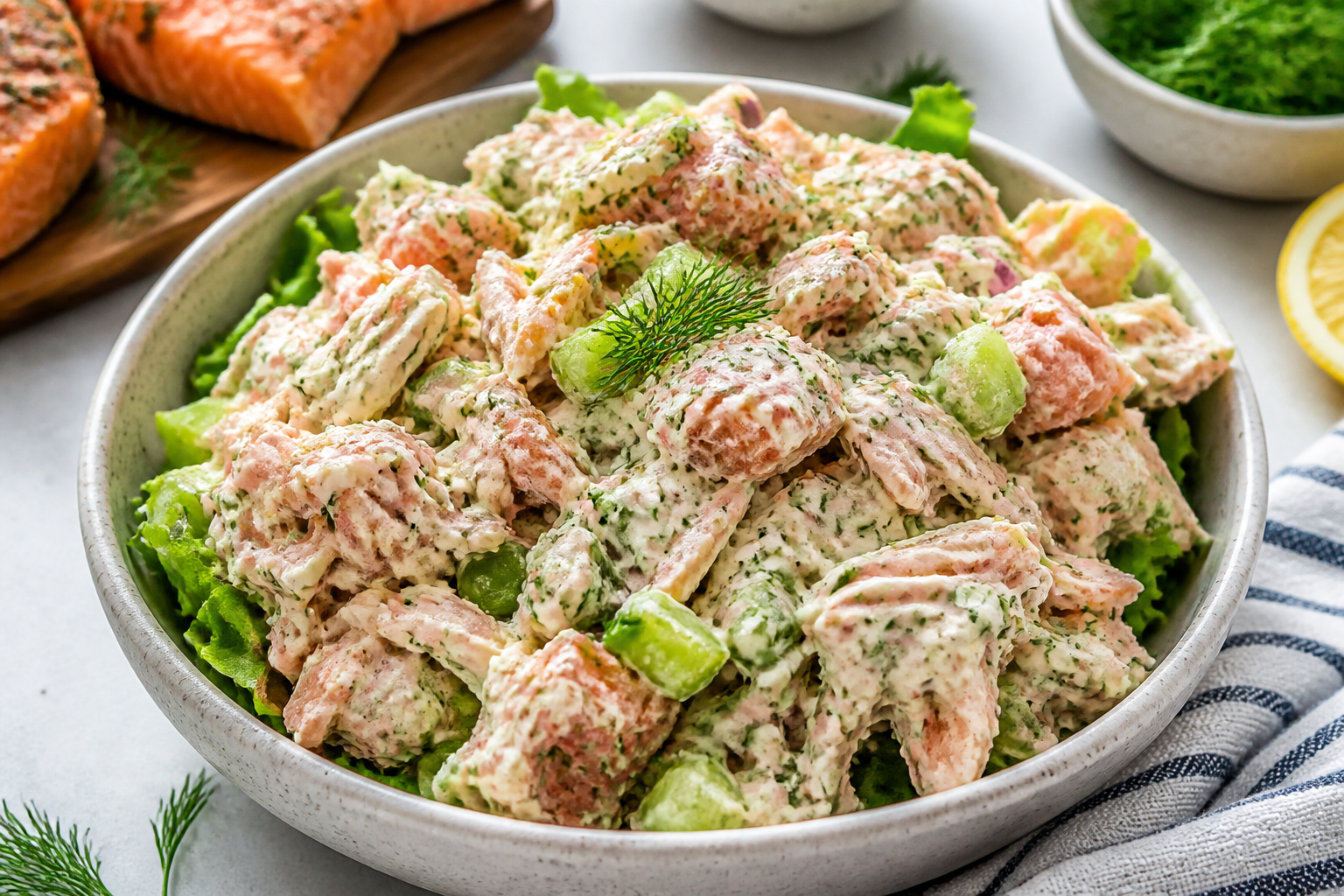
Creamy Dill Salmon Salad – A Bright, Satisfying Classic
This Creamy Dill Salmon Salad is the kind of recipe you’ll make once and then keep in steady rotation. It’s rich but refreshing, simple yet full of flavor, and it fits almost any meal: lunch, a light dinner, or a picnic spread. Fresh dill brings a clean, herbal note that pairs beautifully with tender salmon and a tangy, creamy dressing.
Stop wondering what's for dinner.
Get 7 healthy, family-friendly dinners complete with recipes and simple meal plans delivered straight to your inbox.
It’s fast to pull together, easy to scale, and friendly to swaps if your fridge looks a little bare. If you love recipes that taste special without demanding much effort, this one’s for you.
Ingredients
Method
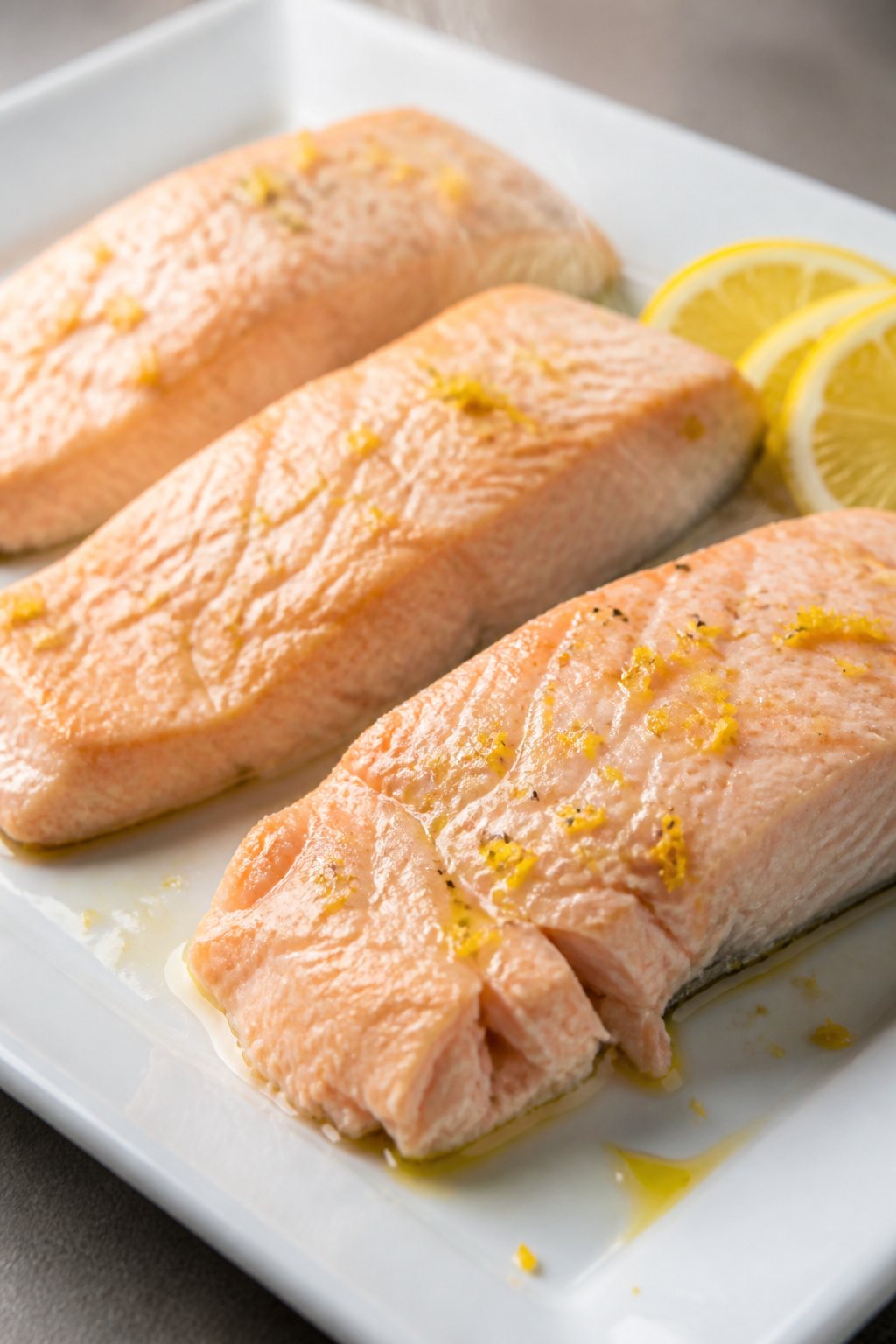
- Cook the salmon if needed. Poach, bake, or pan-sear until just cooked through and flaky. Let it cool to room temperature so it doesn’t melt the dressing.
- Prep the aromatics. Finely chop dill, dice celery, and mince red onion. Small pieces mean better texture and more even flavor in every bite.
- Make the dressing. In a bowl, whisk yogurt or mayonnaise with Dijon, lemon zest, lemon juice, olive oil (if using), a pinch of salt, and black pepper. Taste and adjust acidity or creaminess.
- Fold in the salmon. Add the flaked salmon to the dressing and gently fold with a spatula. Keep some larger flakes for a pleasing texture.
- Add crunch and brightness. Stir in celery, onion, dill, and capers (if using). Mix just until combined. Taste for salt, pepper, and lemon.
- Chill briefly. Let the salad rest in the fridge for 15–30 minutes. This helps the flavors settle and the dill bloom.
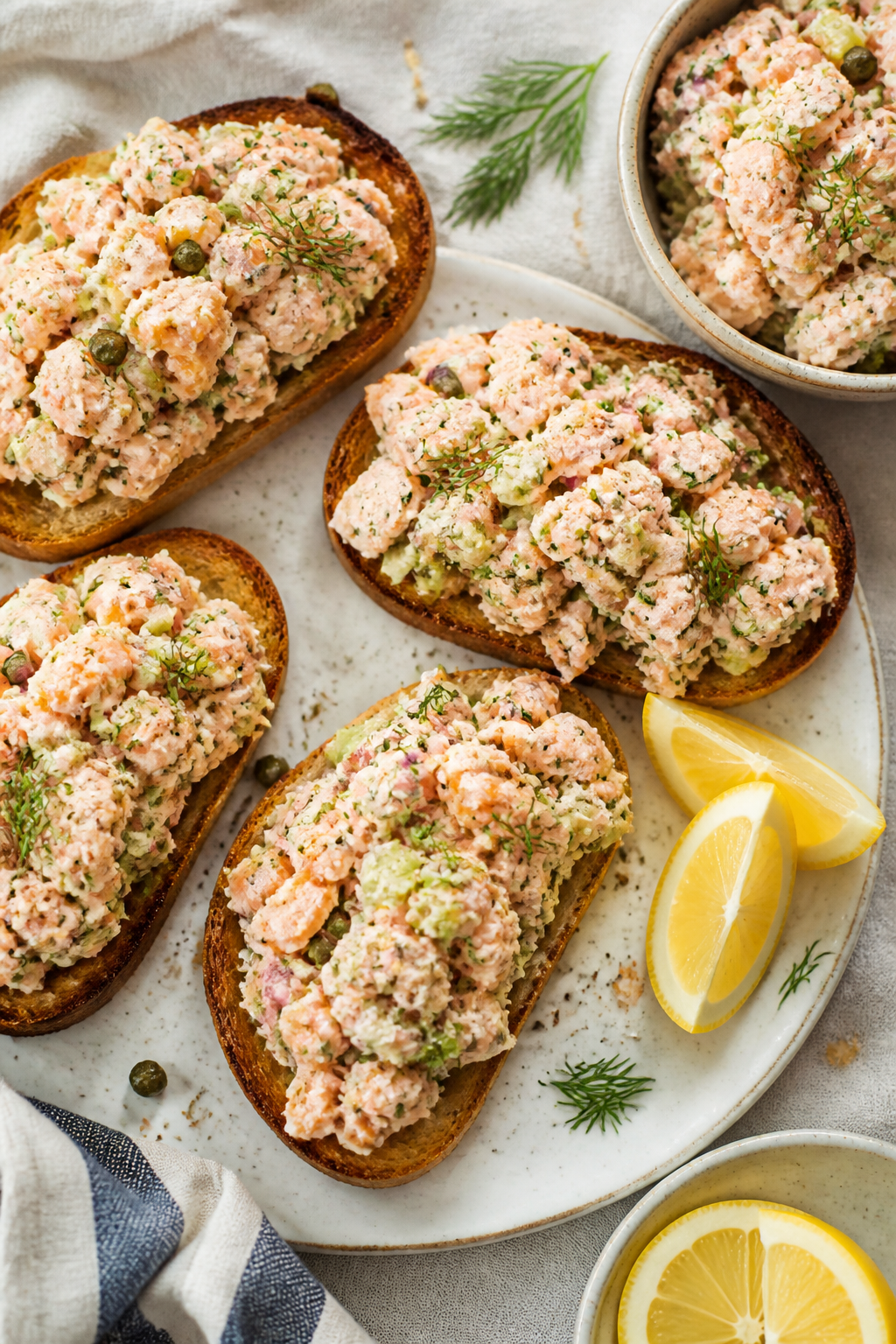
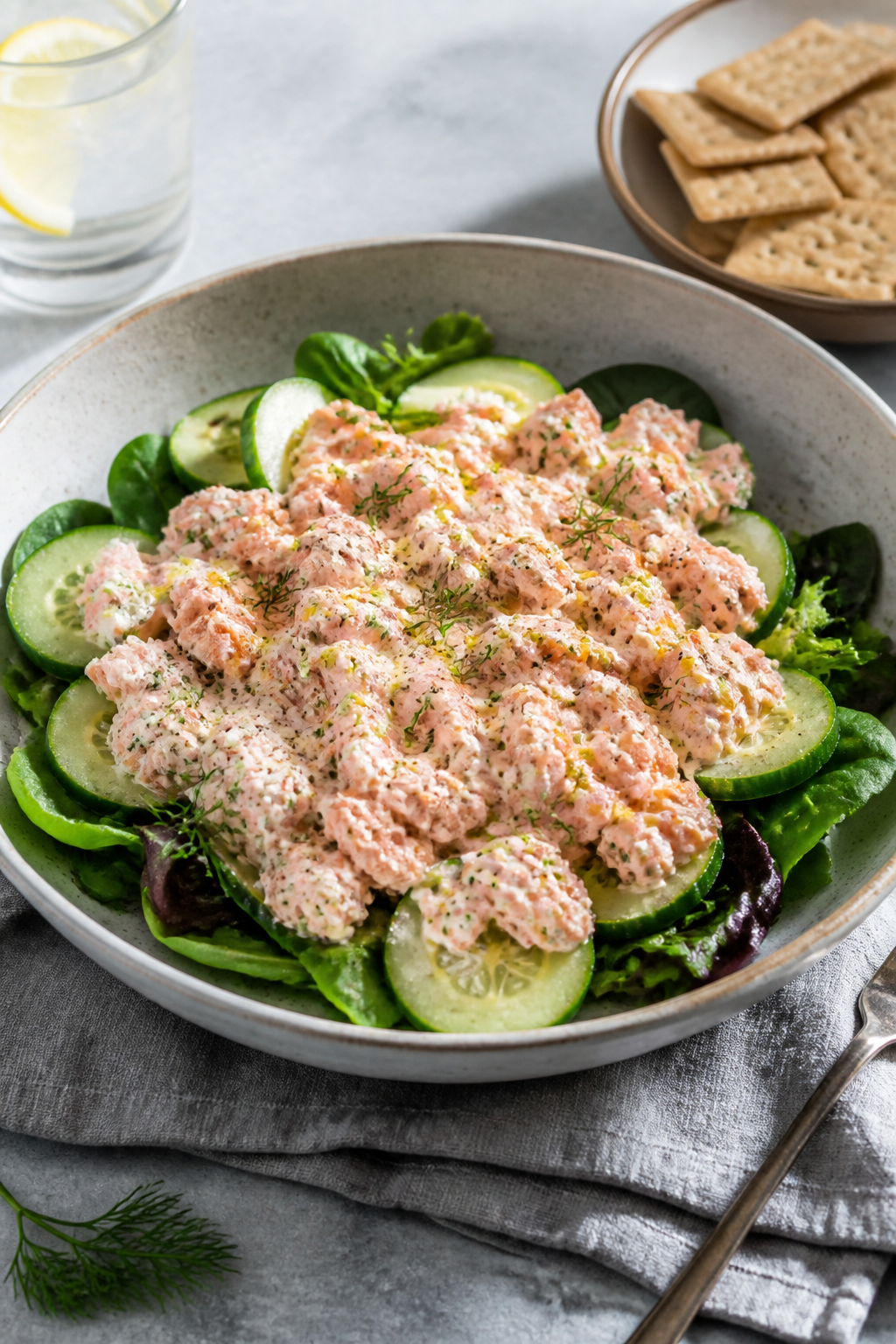
- Serve your way. Spoon over greens, pile onto toast, or tuck into lettuce cups. Add extra dill or a squeeze of lemon on top for a fresh finish.
What Makes This Special
This salad balances creamy, bright, and savory in a way that feels complete and satisfying. A touch of lemon wakes up the richness of the salmon and mayonnaise or yogurt, while crunchy celery and red onion add a crisp bite.
Fresh dill takes center stage—its soft, slightly sweet flavor keeps the salad from feeling heavy. You can serve it on toasted sourdough, tucked into lettuce cups, or with crackers and cucumber slices. It’s flexible, make-ahead friendly, and great for meal prep.
What You’ll Need
- Cooked salmon (about 12 ounces), flaked into bite-size pieces
- Fresh dill, finely chopped (about 3 tablespoons)
- Celery, finely diced (2 ribs)
- Red onion or shallot, finely minced (2–3 tablespoons)
- Greek yogurt or mayonnaise (1/3–1/2 cup, to taste)
- Dijon mustard (1–2 teaspoons)
- Lemon (zest of 1 lemon and 1–2 tablespoons juice)
- Capers, drained and chopped (1 tablespoon, optional)
- Olive oil (1 tablespoon, optional for extra silkiness)
- Salt and black pepper, to taste
- Optional add-ins: chopped cucumber, chopped pickles, fresh chives, a pinch of garlic powder
- For serving: mixed greens, toasted bread, lettuce cups, crackers, or cooked grains
Step-by-Step Instructions
- Cook the salmon if needed. Poach, bake, or pan-sear until just cooked through and flaky.
Let it cool to room temperature so it doesn’t melt the dressing.
- Prep the aromatics. Finely chop dill, dice celery, and mince red onion. Small pieces mean better texture and more even flavor in every bite.
- Make the dressing. In a bowl, whisk yogurt or mayonnaise with Dijon, lemon zest, lemon juice, olive oil (if using), a pinch of salt, and black pepper. Taste and adjust acidity or creaminess.
- Fold in the salmon. Add the flaked salmon to the dressing and gently fold with a spatula.
Keep some larger flakes for a pleasing texture.
- Add crunch and brightness. Stir in celery, onion, dill, and capers (if using). Mix just until combined. Taste for salt, pepper, and lemon.
- Chill briefly. Let the salad rest in the fridge for 15–30 minutes.
This helps the flavors settle and the dill bloom.
- Serve your way. Spoon over greens, pile onto toast, or tuck into lettuce cups. Add extra dill or a squeeze of lemon on top for a fresh finish.
Keeping It Fresh
Store the salad in an airtight container in the refrigerator for up to 3 days. For the best texture, stir before serving; the dressing may loosen slightly as it sits.
If making ahead, you can mix the dressing and chopped veggies first, then fold in the salmon right before serving to keep the flakes intact. Avoid freezing—dairy-based dressings and cooked fish don’t thaw well. If you’re packing lunch, keep it cold with an ice pack and use sturdy greens or bread to prevent sogginess.
Health Benefits
- Omega-3 fats: Salmon is rich in EPA and DHA, which support heart and brain health and help reduce inflammation.
- Protein: A satisfying amount of protein keeps you full and supports muscle repair.
- Vitamins and minerals: Dill, celery, and onion bring antioxidants and micronutrients; lemon adds vitamin C for a little immune support.
- Lighter dressing options: Using Greek yogurt can cut saturated fat while adding calcium and extra protein.
- Smart carbs: Pairing with whole-grain bread or quinoa adds fiber and steady energy.
Pitfalls to Watch Out For
- Overcooking the salmon: Dry salmon won’t flake nicely and can make the salad chalky.
Cook just until opaque and flaky.
- Watery salad: Too much lemon juice or wet add-ins can thin the dressing. Start with less lemon, then add more to taste. Pat cucumbers dry if using.
- Heavy hand with dill: Fresh dill is lovely but strong.
Add gradually and taste—more can always go in, but you can’t take it out.
- Under-seasoning: Creamy dressings need enough salt and acid to pop. Adjust both at the end after chilling.
- Strong raw onion bite: If your onion is sharp, rinse the minced pieces under cold water and pat dry, or use shallot for a gentler flavor.
Alternatives
- Protein swaps: Use canned salmon (skinless/boneless), cooked trout, or canned tuna. Leftover roast salmon works great.
- Dairy-free: Use a quality mayo or a dairy-free yogurt.
Add a splash of olive oil for extra body.
- Low-carb: Serve in lettuce cups, over a simple salad, or spooned into halved avocados.
- Herb variations: Mix dill with chives, parsley, or tarragon. Keep dill as the lead flavor for the classic profile.
- Crunch options: Swap celery for diced cucumber or fennel. Toasted almonds or sunflower seeds add a nutty twist.
- Spice it up: A pinch of chili flakes, cracked pepper, or a dash of horseradish gives gentle heat without overpowering the dill.
FAQ
Can I use canned salmon?
Never wonder what's for dinner again.
Get 7 healthy, family-friendly dinners complete with recipes, grocery lists, and simple meal plans delivered straight to your inbox.
Yes.
Choose boneless, skinless canned salmon for ease, or flake and remove bones and skin if present. Drain well so the dressing doesn’t get watery.
How do I cook salmon for this salad?
Bake at 400°F (200°C) for 10–12 minutes for a 1-inch fillet, or pan-sear 3–4 minutes per side. Poaching in lightly salted water with lemon slices for 8–10 minutes also keeps it tender.
Cook just until it flakes.
Can I make it ahead?
Absolutely. The flavors improve after a short chill. For maximum freshness, mix the dressing and vegetables, then fold in salmon the day you plan to serve.
What if I don’t have fresh dill?
Dried dill can work in a pinch, but it’s stronger.
Start with 1 to 1.5 teaspoons and adjust. Consider adding parsley or chives to bring back some fresh, green notes.
Is Greek yogurt better than mayonnaise here?
Both work well. Greek yogurt makes it tangier and lighter in fat, while mayo gives a classic, silky richness.
A 50/50 blend often hits the sweet spot.
How can I serve this for a crowd?
Set out a platter with toasted baguette slices, lettuce leaves, cucumber rounds, and crackers so guests can build their own. Keep an extra bowl of lemon wedges and chopped dill on the side.
How long does it keep?
Up to 3 days in the refrigerator in an airtight container. If it looks a bit loose after chilling, stir and add a spoon of yogurt or mayo to refresh the texture.
Can I make it gluten-free?
Yes.
The salad itself is gluten-free. Serve it with gluten-free bread, crackers, or over grains like quinoa or rice.
Final Thoughts
Creamy Dill Salmon Salad is the kind of recipe that feels easy and elevated at once. It’s flexible, bright, and deeply satisfying, whether you spoon it on toast for lunch or set it out as part of a weekend spread.
Keep the seasoning bold, the texture balanced, and the dill fresh, and you’re set. Once you make it your own, you’ll find plenty of reasons to come back to it—busy weeknights, meal prep Sundays, or anytime you want something fresh and comforting on the same plate.
Printable Recipe Card
Want just the essential recipe details without scrolling through the article? Get our printable recipe card with just the ingredients and instructions.
Loved This Recipe?
If you're looking for more simple, healthy dinners your family will actually eat, grab my FREE 7-Day Easy Dinner Reset. You'll get 7 easy dinner recipes, simple grocery lists, and a done-for-you plan that takes the stress out of mealtime.